Clearing Foam From West Hoe Roofs
The Hoe and West Hoe are home to tall Victorian terraces, former guest houses and plenty of buildings now divided into flats. Roofs here face south-westerly weather straight off Plymouth Sound, and many sit within The Hoe conservation area.
We take spray foam out of Hoe homes and flats. In a building with several owners, the first step is often working out who owns the roof — then confirming what type of foam is there and what the lender or buyer actually needs.
What West Hoe Roofs Are Like
Many Hoe terraces are three or four storeys, so the loft can be a long climb from the front door. Some have mansard or part-flat roofs, with small roof voids rather than one open loft.
Former guest houses converted into flats are common. The loft is typically reached through a communal hatch on the top landing or from inside the top-floor flat, and the roof is usually the freeholder’s responsibility.
Roofs facing the Sound take the full force of wind and rain. Where foam has sealed the underside of slates or felt, surveyors pay close attention to ventilation and possible trapped moisture.
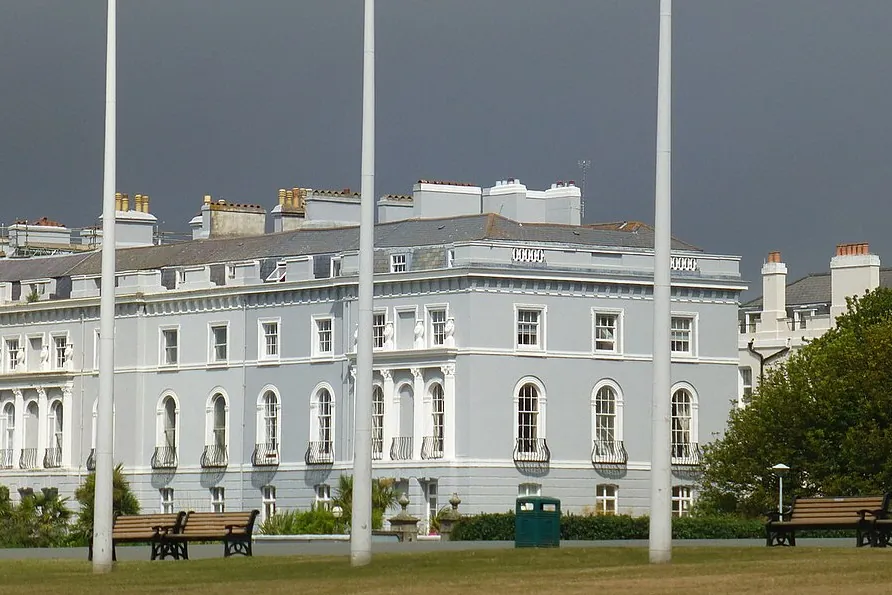
On the Ground in West Hoe
Around West Hoe and the streets behind the seafront, many buildings were once hotels or guest houses and have been altered several times. Roof spaces can be broken up by later partitions, so a careful look from the hatch — or a visit — tells us how much of the roof is actually reachable.
What Makes a West Hoe Job Harder or Easier
- Tall buildings with long carries from the loft to street level
- Shared roofs where freeholder or managing agent consent is needed
- Exposure to weather off Plymouth Sound
- Conservation area streets — external roof repairs should respect the building
- Busy seafront and city-centre parking
Indicative Costs in West Hoe
Indicative costs
Hoe jobs often sit towards the middle or upper end of these ranges because of tall buildings, shared access and complicated roof shapes. A small, accessible roof void can still come in lower.
- A slope, a section or a little loft£1.5k – £3k
- Both slopes of an average family house£3k – £5k
- Large roofs, rigid foam or tricky access£5k – £8k+
- Measured rate£40 – £80+ a square metre
Indicative Plymouth figures only — the fixed price comes after we’ve looked at the foam in person or through good photographs. What sets the price.
Sales, Surveys and Lenders
Top-floor flats generate many Hoe enquiries: a buyer’s lender asks about the roof, and the seller finds the foam is in a shared roof they don’t own outright. The freeholder, managing agent and other leaseholders may all need to agree, so start that conversation early and get the lender’s requirement in writing.
Even with the foam gone, the lender or buyer has the final word — our lenders page explains why.
Useful Links for West Hoe
- RICS consumer guide to spray foam insulation — the surveying profession’s homeowner briefing on sprayed insulation.
- Plymouth City Council: conservation areas — The Hoe is protected, so look here before anything changes on the outside of the roof.
- Plymouth City Council: building control — Plymouth’s building control team, if new roofing or insulation might need signing off.
- Historic England: search the National Heritage List — see if the property is listed before planning repairs.
Links open in a new window. These bodies have no connection to our business.