Spray Foam Removal Areas in Plymouth
This site covers homes within Plymouth only. Here's how spray foam removal tends to differ from one part of the city to another.
- Plymouth postcodes only
- Every part of the city covered
- Terraces, suburbs, bungalows and flats
Tell Us About the Foam
Fill in what you know — we’ll ring or email to talk it through and arrange a look at the roof. No cost, no commitment.
How Coverage Works
We take spray foam out of homes across the city, from Mutley and Stoke to Plymstock, Plympton and Roborough.
What's useful to know is how jobs differ around Plymouth. The age of a house, the shape of its roof, how exposed it is to the weather and how easy it is to park outside all affect how removal is planned and priced. The sections below are rough groupings, not hard boundaries — if your area isn't listed, include your postcode in the form and we'll confirm.
Central Plymouth
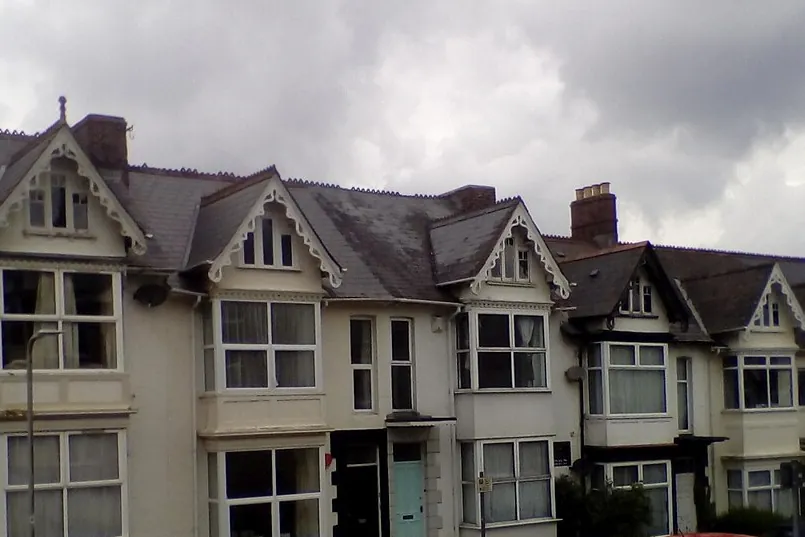
Mutley and St Judes are dominated by Victorian terraces, many now family homes and some let to students. Lofts are typically shallow, with a small hatch on the landing and party walls on both sides. Loft conversions are common, which means foam may be hidden behind sloping plasterboard ceilings rather than visible from a hatch.
Around the Barbican and the Hoe, older buildings and period terraces have often been divided into flats. The roof may belong to a freeholder or be shared, so removal can need agreement from several owners. Exposure to weather off the Sound is a real consideration on these roofs, and parking for a van and waste collection usually needs planning ahead.
North Plymouth
Mannamead and Hartley have many larger Victorian, Edwardian and interwar homes with tall, complex roofs: hips, valleys and bay projections where foam tends to collect in hard-to-reach corners. Peverell mixes terraces with semis, and loft conversions are common there too.
Crownhill, Derriford and Eggbuckland include plenty of interwar and post-war family housing. Further out, Estover and Roborough have later estates and homes on higher, more exposed ground, where roofs take the brunt of wind and rain. Bigger sprayed areas and exposure both influence time and price.
Many sales and remortgages in these family areas run to fixed dates, so mention any deadline when you enquire.
East Plymouth
Mount Gould has rows of Victorian and Edwardian terraces with compact lofts and limited working space, which makes removal slower per square metre than in larger roofs.
Plympton is one of the city's biggest suburban areas, with housing from several decades — semis, detached houses and plenty of bungalows. Bungalows often have low-pitched roofs and very little headroom at the eaves, so even a modest sprayed area can take longer than expected. Some homes have had foam applied as a quick fix during earlier roof or insulation work.
South Plymouth
Plymstock, across the Plym, is largely suburban, with semis, detached homes and bungalows from the mid-twentieth century onwards. Hipped roofs are common, and some homes sit on exposed ground that catches the weather coming in off the sea.
Along the southern waterfront below the Hoe, roofs face the full force of south-westerly wind and rain. Where foam has sealed the underside of felt or slates, surveyors pay close attention to ventilation and possible trapped moisture — a good reason to get the timber exposed and photographed.
West Plymouth
Stoke and Milehouse have long runs of Victorian terraces alongside larger villas. Stonehouse includes some of the city's older housing, while Devonport was extensively rebuilt after the Second World War, giving a real mix of roof ages and construction within a short distance.
In older slate roofs here, foam was sometimes sprayed partly to stop slipping or rattling slates. Once it's removed, some slates may need refixing, and we’ll flag that possibility when quoting. Steep streets and tight parking can also affect access on the day.
Spray Foam Removal by Area
Each page below covers the homes, roofs and access issues typical of that part of Plymouth.
Spray Foam Removal by Property Type
Victorian and Edwardian terraces
Small hatches, shallow lofts and party walls. The challenge is working neatly in a tight space and protecting the stairs.
Larger period homes
Tall roofs with hips and valleys. More foam, more corners, more time.
Suburban semis and detached homes
Reasonable lofts, often hipped. Many fall around the middle of the guide price range.
Bungalows
Low-pitched roofs with little headroom at the eaves — slower than their size suggests.
Converted lofts and flats
Foam may be behind finishes, and shared roofs can involve other owners. Scope is confirmed on site.
For more on the work itself, see loft spray foam removal or our guide prices for Plymouth.
Let’s Get Your Roof Sorted
Drop us a line with the basics. We’ll come back with honest advice, arrange to see the roof and put a fixed price in writing — and if you decide against it, that’s the end of it.
- Office on the waterfront at Sutton Harbour
- Straight answers, including “you don’t need us”
- Dated photo pack ready for your lender or buyer
Prefer the phone? Call 01752 741844. Or email enquiries@sprayfoaminsulationremovalplymouth.co.uk.
Quick enquiry
Takes a minute. Photos and paperwork can follow by email.